

For months, our HVAC replacement was a line item. A number discussed in Leadership Board meetings with phrases like “contingency funds” and “projected timeline.” The congregation voted on it. We moved through the Tomorrow First capital campaign talking about mechanical systems and long-term stewardship of the building.
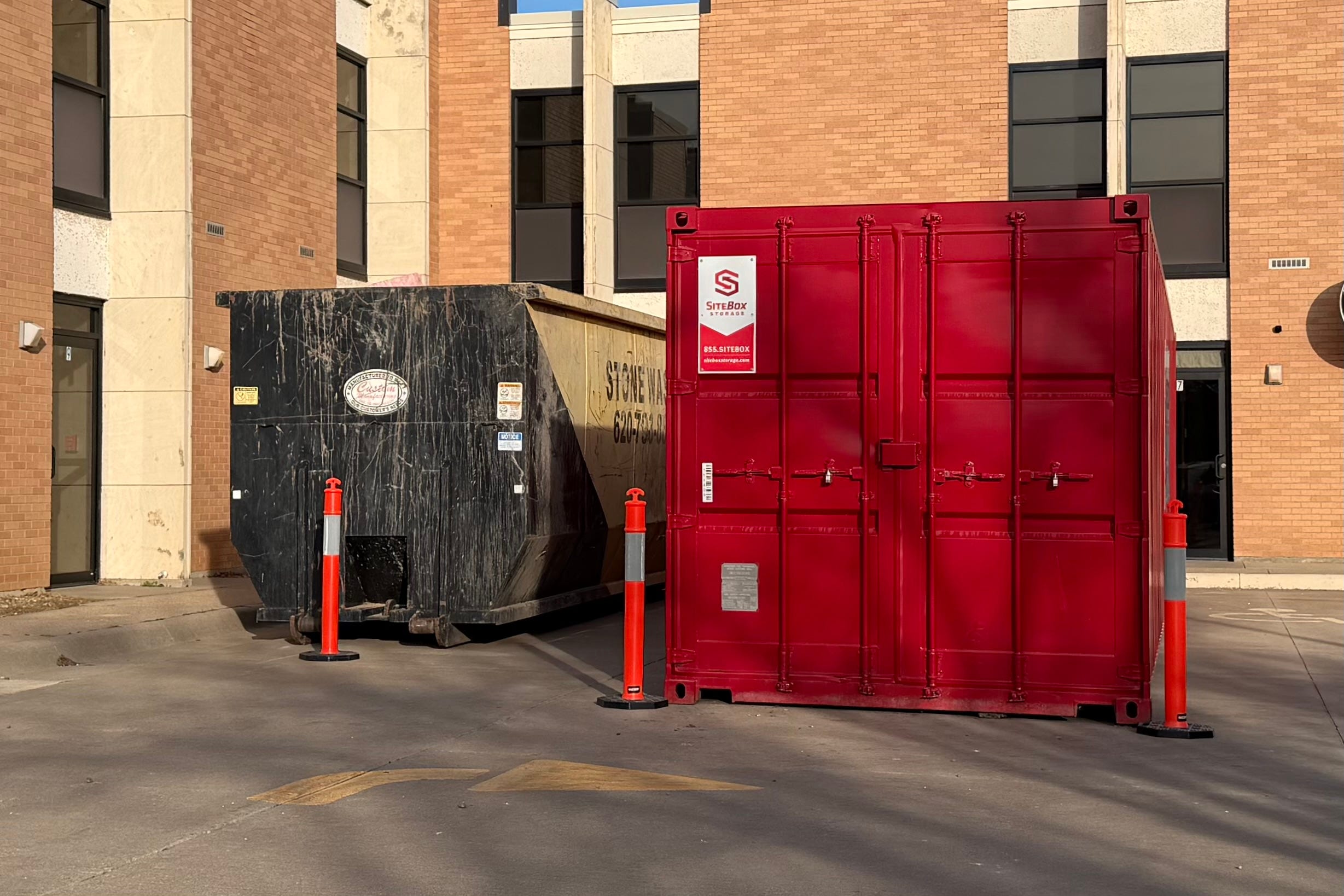
Then one Monday morning, I pulled into the parking lot and there was a dumpster. And a storage container. And a construction crew walking through the building.
Somewhere between the education wing and the sanctuary it hit me: this is actually happening.
You can talk about a capital project in a meeting and feel the weight of the number without feeling the weight of the thing. But a dumpster in the parking lot is different. It means rooms suddenly unavailable, ministry schedules shifting around construction zones, and noise during sermon prep — a crew drilling through concrete while you’re trying to think about Scripture. It means a change order to address an exterior electrical line we’d known might need attention someday, except now “someday” arrived because the project made it impossible to keep putting off.
Contingency is a planning concept. A change order is a decision. And that’s different.
Ministry leadership lives in that gap — between the plan and the reality. Between the vote and the dumpster. The important work isn’t the moment when everyone agrees this is a good idea. It’s the Tuesday morning when the good idea means rerouting Wednesday night programming because a hallway is blocked, and you trust the process enough to keep going.
You sign off on the change order because it’s the right call, not because it was in the plan. You put on noise-canceling headphones and finish your sermon while they drill concrete down the hall. You move the youth group to a different part of the building and nobody complains because they can see the work happening.
There’s still a dumpster in the parking lot. The project has weeks to go. But the gap between planning and reality isn’t a failure of planning. It’s where stewardship actually happens.