

Notes from Resurrection is a short mini-series from Leadership Institute 2026 at Resurrection, A United Methodist Church, in Leawood, Kansas. A post goes up for each day. These are observation, not transcript.
A Full Day
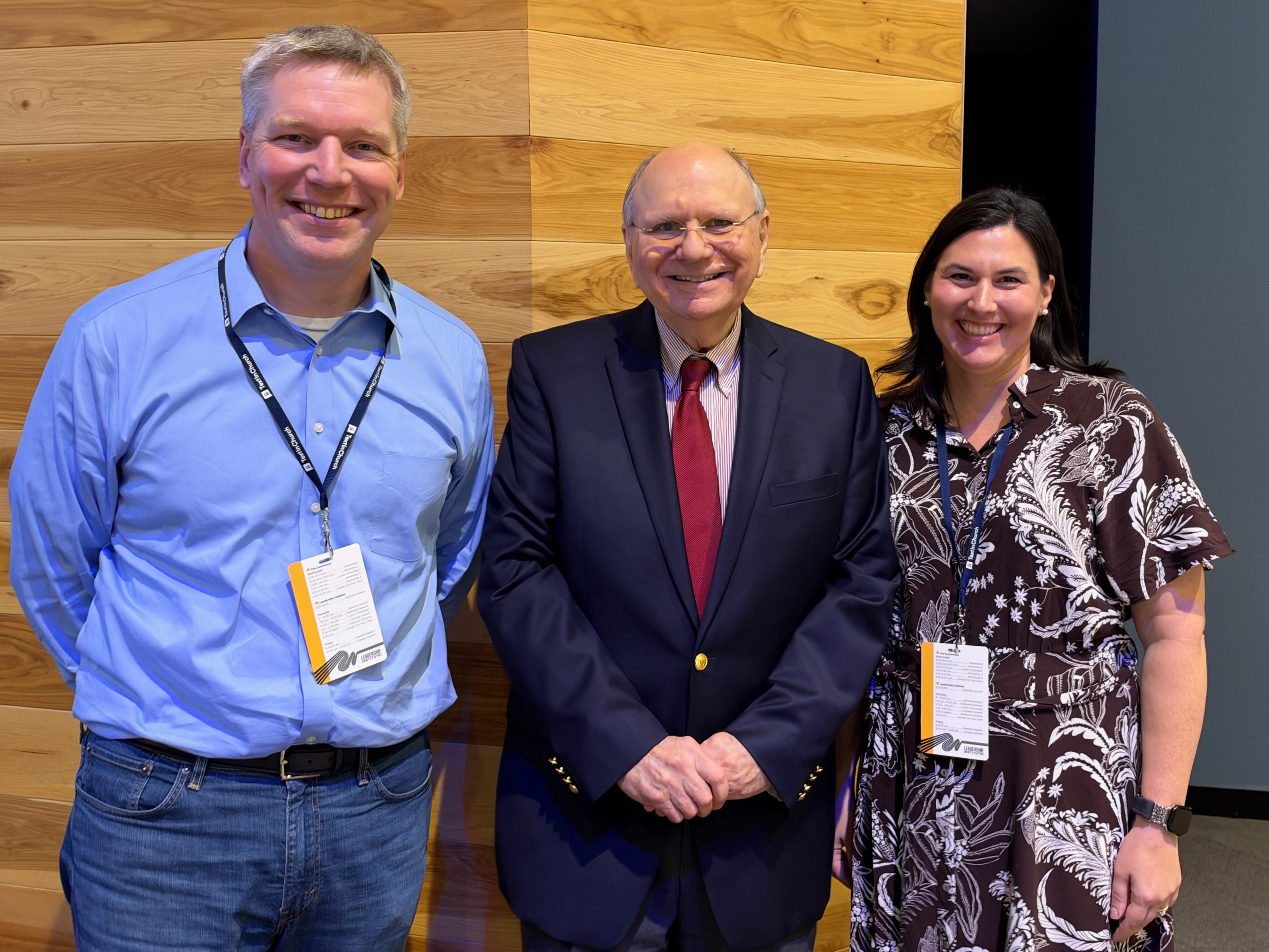
Thursday was a full day of rich sessions, with good moments in between them too. Nicole and I went up after Dr. Lovett Weems spoke to say hello and get our picture taken. Years ago, when we were students at Wesley Theological Seminary, he helped connect us with Adam Hamilton during Adam’s guest lecture there. That first contact wound its way to our first appointment, serving at Resurrection from 2006 to 2012. At lunch I joined the Wesley gathering, where people shared how they chose the seminary. Then I found some great deals at the bookstore. I bought a huge box of books and wore myself out carrying it to the car. I had to stop twice to rest. That box comes back later in this post.
Matt Miofsky: A Different Kind of Church
Matt Miofsky is the founding pastor of The Gathering in St. Louis. He believes many people don’t know mainline churches like ours exist. He calls them both/and churches, centered on Jesus and open to everyone. Many people today are frustrated by the public witness of the church. The United Methodist Church is well placed to reach them. He named five things we need to recover. We need a living relationship with Jesus. We need to see faith as a way of life, where people belong before they believe. We need to reclaim the Bible, because newer people want more of it, not less, and they expect some explaining. We need to help people make faithful decisions in everyday life. And we need to invite. In his words, evangelism is a muscle we have had in a cast for about 100 years. But a muscle can get stronger. We can practice inviting people to something that will change their lives. The invitation is simple: life with Jesus is better, so come and see.
Winnie Varghese: The Way of True Life
Winnie Varghese is an Episcopal priest and the dean of the Cathedral of St. John the Divine in New York City. She says she has the spiritual gift of saying the obvious thing, the thing everyone is thinking. In New York, the need is all around her, and hunger is growing. She pointed us to Matthew 25 and the question, “Lord, when did we see you?” When food aid was cut, her church told people that if they sent money, it would go to people who needed it. The generosity surprised them. People trusted the church, and the church lent its organization to the work. Even the parts of the church we sometimes call bureaucracy became a way to feed people. She reminded us that trust is real moral power, and we in local churches have a lot of it. We would be foolish to squander it. This is not only the work of the church. It is the way of true life.
Lovett Weems: West by the Setting Sun
Dr. Weems gave four lessons from John Wesley: begin with the people, follow the people, focus on serving, and remember especially the poor. Wesley saw a parish as a place, not a membership list. He went where people had no connection to the church, and he spent time with the poor as a means of grace. Bishop Francis Asbury carried those lessons to America. He sent preachers west, where the people were moving. In 1799 he sent Tobias Gibson to Natchez. His circuit was “bounded on the north by Tennessee, on the east by Georgia, on the south by the Gulf of Mexico, and on the west by the setting sun.” There were no churches yet. His job was to start them. For us, it starts with the people God has given us in our own community, not only the people already in our pews. A new church spends its energy outward, building relationships. Over time, a church’s energy tends to turn inward. So Weems asked us to look honestly at our week. How much of our time, as pastors, staff, and leaders, goes to people we don’t already know? To turn that energy back outward, he invited each church to choose one focus for the next few years, rooted in Wesley’s four lessons, that could change everything else.
Local Voices and a Path for Kids
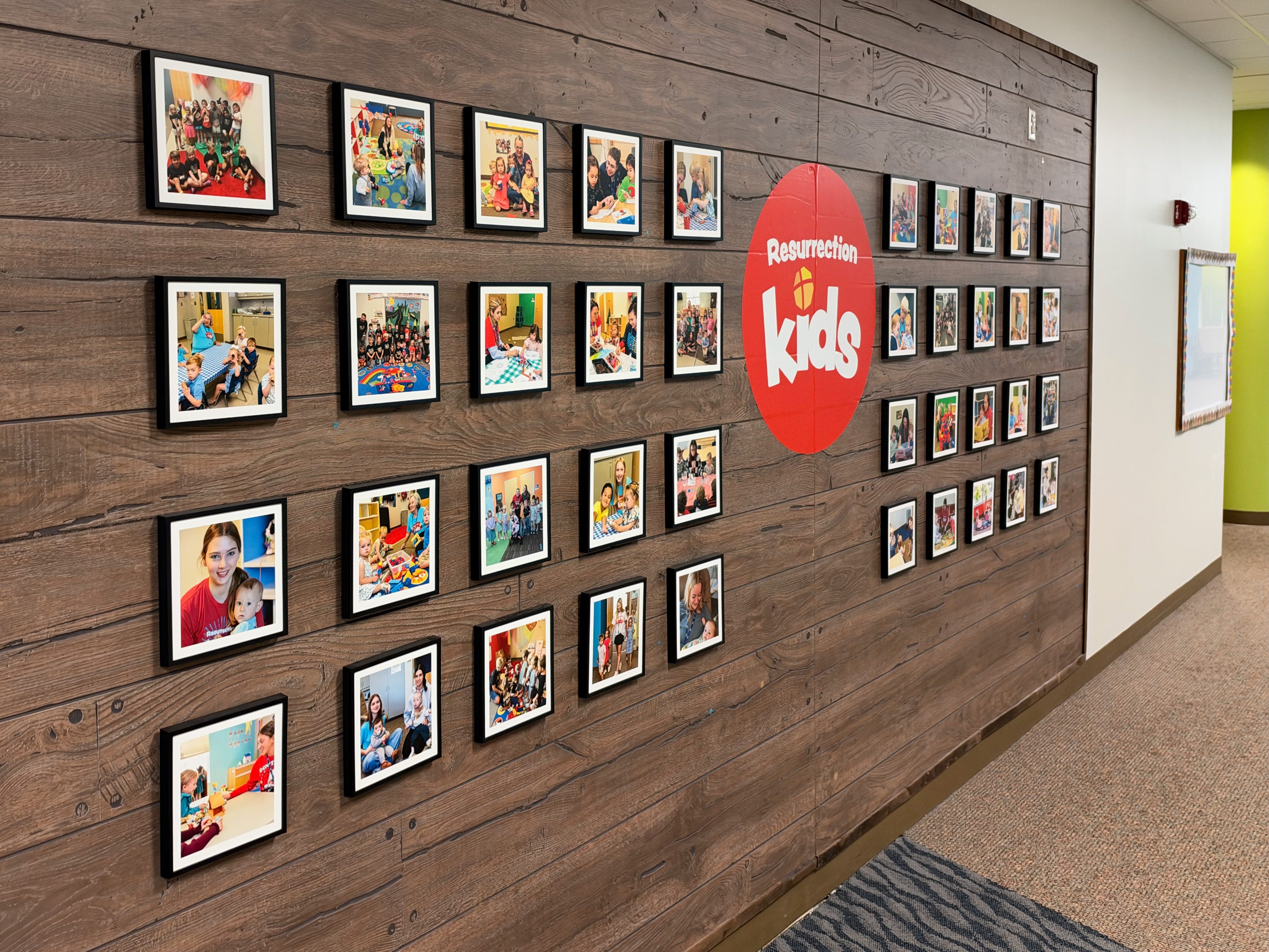
The afternoon session opened with a panel of three local church leaders from outside Resurrection. It was good to hear other local church perspectives alongside the big stage. Resurrection also shared its grade-by-grade milestones for children, and each one is a chance to recognize children in worship. In 1st grade, kids learn the Lord’s Prayer. In 2nd grade, the focus is Communion. In 3rd grade, they receive a Bible. In 4th grade, they serve, and in 5th grade, they invite friends. Resurrection also holds Worship Together weekends, when families worship side by side. Each step is simple, and the whole congregation gets to celebrate it. Together, they give a child a clear path to grow in faith, one year at a time.
Nicole Caldwell-Gross: What Are You Leaving Here?
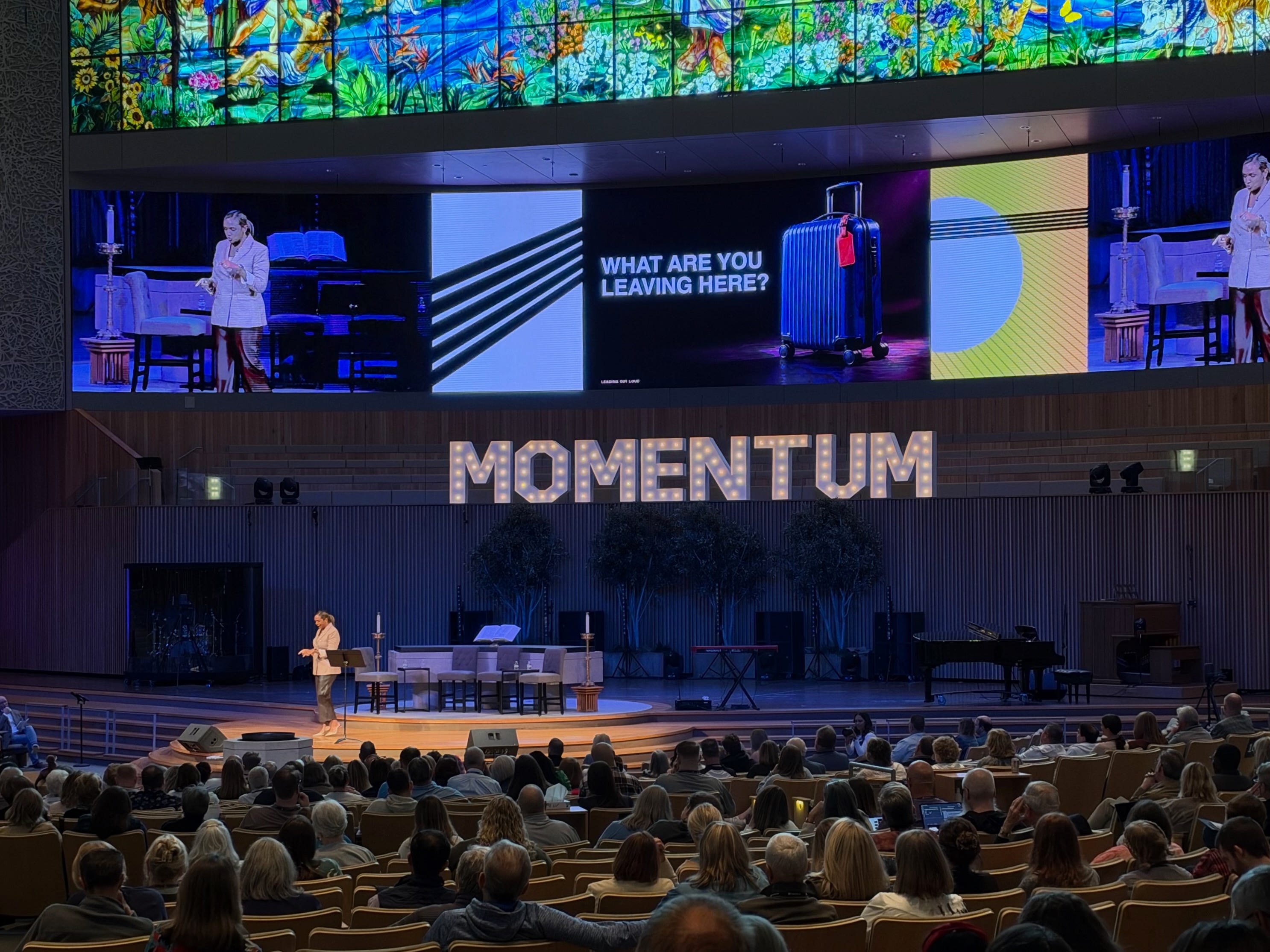
Nicole Caldwell-Gross is the senior pastor of Noblesville First United Methodist Church in Indiana. She asked a different question than most conference speakers do. Not what are you taking home, but what are you leaving here? We can learn to lead while carrying baggage, and after a while we stop noticing how heavy it is. When Saul was chosen as king, no one could find him. He was “hiding among the supplies,” the baggage (1 Samuel 10:22). She named three bags. The first is the fear of being seen. Momentum begins when we stop letting fear keep us in hiding. The second is the carry-on of other people’s expectations. Her advice was to check the tag. If God didn’t put your name on it, leave it at baggage claim. The third is dashed hopes, the dreams and plans that did not come to pass. She called us to costly gratitude. That means being honest about what didn’t happen while still seeing what God is doing now. I thought about that box of books. Some of what we carry, we chose. Some of it was never ours to carry.
Bringing It Home to McPherson First
Every session sent me home with learning and next steps for McPherson First, from who we invite to what we could leave behind.
Miofsky: Newer people are hungry for Jesus and for the Bible, and many are waiting to be invited. Who could we invite this month to something that might change their life? Where do we need to explain the Bible more, not less?
Varghese: People trust churches to help, and that trust is a gift to use for our neighbors. Who in McPherson is hungry or without a safe place to live? Where can the trust people place in our church help a neighbor?
Weems: Our parish is all of McPherson, not just our membership list. If McPherson First UMC closed today, who besides our members would miss us? What one focus could turn our energy outward for the next few years?
Milestones: Children grow in faith one step at a time, and a clear path helps. How could we recognize our children in worship at each step? Which step could we start this year?
Caldwell-Gross: We don’t have to carry every bag that comes within reach. What are you carrying that has someone else’s name on the tag? What could you leave behind this week?
These questions are for all of us. They work wherever you live and whatever church you call home. Pick one and talk it over with someone this week. More to come.